
Typical fish from Málaga
Málaga, with its splendid coastline bathed by the waters of the Mediterranean Sea, is a corner of Spain that has forged a rich culinary tradition deeply rooted in the bounty of the sea.
The bond between the sea and gastronomy in Málaga is inseparable, and the region’s traditional fish are the true ambassadors of this relationship. In this land of sunshine, joy and flavour, local fish are not merely ingredients; they are the very soul of Málaga’s cuisine.
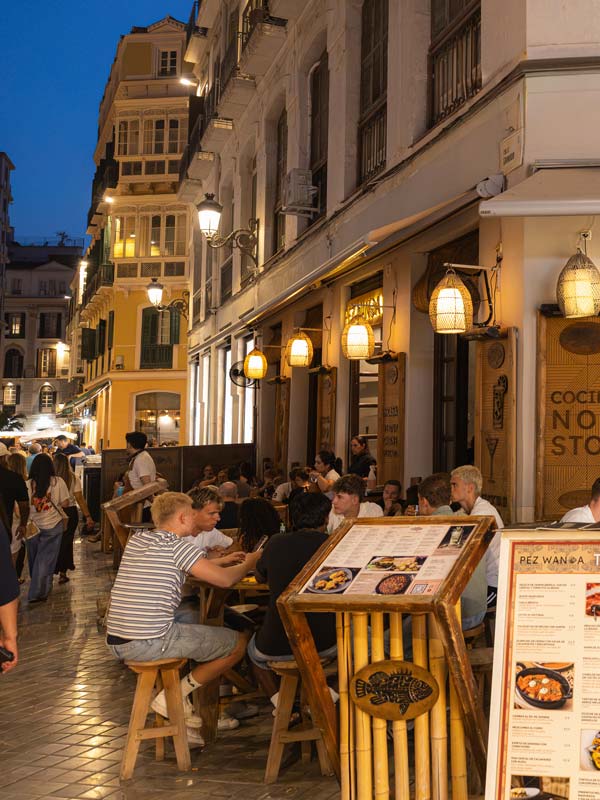
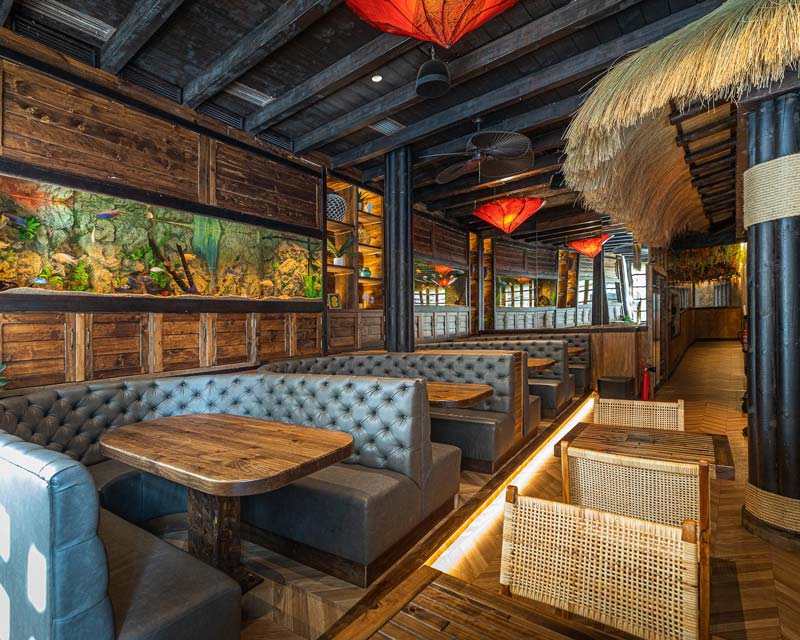
In the Pez Wanda Restaurant, we’re ready to take you on a journey of unforgettable flavours, and we warmly invite you to be part of this unique experience. Let’s discover together the culinary secrets the Costa del Sol has to offer!
The importance of fish typical of Málaga in the local cuisine
Málaga’s traditional fish dishes are much more than just food; they are the very essence of the region’s cuisine. The freshness and diversity of these seafood delicacies have shaped Málaga’s culinary identity over the centuries. In keeping with this tradition, Pez Wanda has become a landmark in Málaga, celebrating the region’s culinary heritage and showcasing the unique flavours of the Mediterranean Sea. From anchovies grilled over charcoal on skewers to fresh sardines fried with care, the flavours of the sea intertwine with the aromas of the Malaga countryside at Pez Wanda, where every bite is a tribute to the authenticity of Malaga. In the sections that follow, we will explore in detail the diversity of Málaga’s traditional fish and how they are incorporated into iconic dishes.
The Boquerones
Boquerones, known as one of Málaga’s most iconic fish, play a prominent role in the local cuisine. These small fish, belonging to the anchovy family, are abundant in the waters of the Mediterranean Sea and are prized for their fresh flavour and their versatility in Málaga’s cuisine.
Description of the anchovies: Anchovies are small, elongated fish with silvery bodies and dark grey tail fins. Their flesh is tender, white and delicate, making them an ideal ingredient for a variety of dishes.
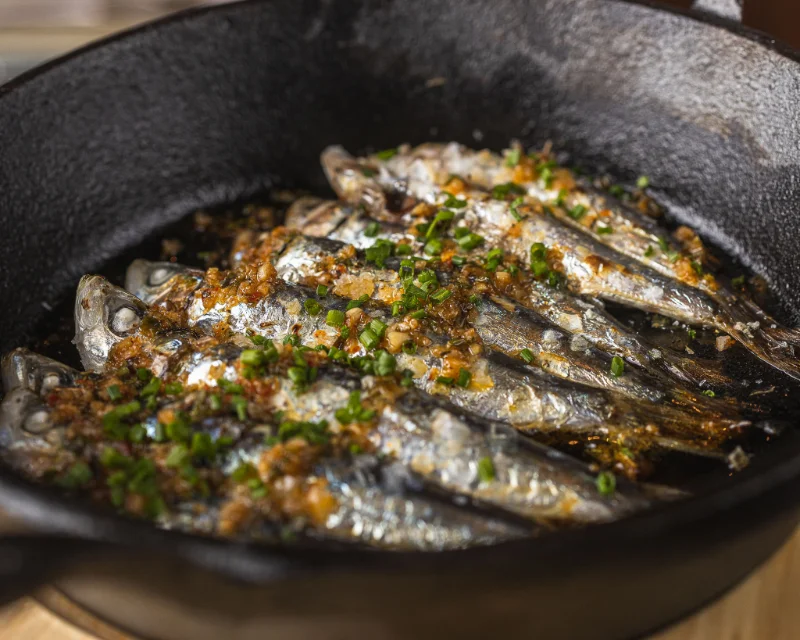
Preparation and uses of anchovies in traditional dishes in Málaga: One of the most iconic ways to enjoy boquerones in Málaga is in the famous «espeto de sardinas», although boquerones are sometimes used instead. In this dish, the boquerones are threaded onto cañaílla sticks and grilled over hot coals. The charcoal fire brings out their flavour and gives them an unrivalled smoky note.
As well as being served on skewers, anchovies are an essential ingredient in other traditional dishes, such as «ensalada de boquerones», which consists of anchovies in vinegar dressed with garlic, parsley and olive oil, and «fried anchovies», in which they are coated in flour and fried until golden and crispy.
The versatility of anchovies means they can be used in stews, pickles and even as fillings for empanadas. Their fresh flavour and tender texture make anchovies a culinary treasure in Málaga and a delicious example of the local gastronomic tradition.
The Sardines
Sardines, known in Málaga as one of the sea’s most prized treasures, hold a special place in the region’s cuisine. These small, silvery fish are considered a true local delicacy and have been a staple of the diet of the people of Málaga for generations.
Description of sardines and their importance in the region’s cuisine: Sardines are modest-sized fish with an elongated, slender body, silvery skin and succulent flesh. Their unmistakable flavour, characterised by its freshness and slightly salty undertone, reflects the very essence of the Mediterranean Sea. Their firm yet tender texture makes them ideal for a variety of culinary preparations.
Sardines play a prominent role in Málaga’s cuisine. They are regarded as a delicacy that symbolises the simplicity and authenticity of the local cuisine. Their versatility means they can be prepared in a variety of ways, from fried to grilled, whilst always showcasing their unique flavour and unrivalled quality.
Highlight its unique flavour and texture, and its use in dishes such as «espeto malagueño»:» The «espeto malagueño» is one of Málaga’s most iconic dishes and showcases the excellence of the local sardines. In this dish, the sardines are threaded onto cañaílla sticks and grilled over charcoal by the sea. The aroma of the charcoal fire enhances their flavour, whilst the texture remains tender and juicy. The «espeto» is a culinary tradition that not only delights the palate but also offers an authentic experience and a connection to Málaga’s fishing heritage.
Sardines are also enjoyed in other dishes, such as «fritura malagueña», where they are fried until crispy and served with a side of potatoes and roasted peppers. Whether grilled on a skewer, fried or prepared in other ways, sardines are a culinary gem of Málaga that captivate food lovers with their distinctive flavour and their importance in the local culinary tradition.
The Horse Mackerel
Horse mackerel, fish belonging to the Carangidae family and known as «common horse mackerel» or «Spanish horse mackerel» (Trachurus trachurus), are a culinary treasure in Málaga and play a prominent role in the local cuisine. Their juicy, flavourful flesh makes them a popular choice for a variety of traditional dishes.
Description of horse mackerel and their importance in Málaga’s cuisine: Horse mackerel are medium-sized fish with elongated, slightly compressed bodies. They are characterised by their silvery skin and a dark stripe along the top of their body. Their flesh, which is white in colour and firm in texture, is prized for its robust flavour and versatility in cooking. Horse mackerel are found in abundance in the waters of the Mediterranean Sea, and fishing for them is a key activity in the region.
The importance of horse mackerel in Málaga’s cuisine is evident from its use in numerous traditional dishes. These fish lend an unrivalled depth of flavour to local recipes and are prized for their culinary versatility. Their flesh, which is an excellent source of lean protein, forms the basis of many dishes that delight the palates of locals and visitors alike.
A mention of popular dishes from Málaga, including horse mackerel, and their distinctive characteristics: Horse mackerel are a key ingredient in «fritura malagueña», a classic dish that combines fresh horse mackerel with other fish and seafood. This dish is characterised by its crispy batter and intense flavour, which reflects the freshness of the sea.
Horse mackerel are also enjoyed in fish stews and soups, where their firm flesh adds depth and texture to the broths. They are also ideal for grilling, where their flavour is enhanced by the smoky notes of the embers.
In short, horse mackerel are an essential part of Málaga’s cuisine, and their culinary versatility and distinctive flavour make them a popular choice for a variety of traditional dishes that reflect the authenticity and gastronomic richness of Málaga.
The Red Mullet
Red mullet, fish belonging to the Mullidae family and known for their distinctive reddish and silvery skin, are a true culinary gem in Málaga. Their delicate flavour and tender texture make them a much-loved choice in local cuisine, where they play a key role in the culinary tradition.
Description of red mullet and their role in the culinary traditions of Málaga: Red mullet are medium-sized fish characterised by their red and silvery skin, which gives them a unique appearance. Their flesh is delicate, with a soft texture and a mild flavour, and a hint of sweetness that sets them apart from other fish. This combination of characteristics makes red mullet a special ingredient in Malaga’s cuisine.
In the local culinary tradition, red mullet hold a place of honour. Their versatility in the kitchen means they can take centre stage in a wide variety of dishes, ranging from stews to grilled dishes. Red mullet are prized for their delicate flavour, which pairs perfectly with local ingredients, and are used in dishes that capture the essence of Málaga’s cuisine.
It is worth highlighting its delicate flavour and texture, as well as its use in dishes such as «salmonete a la espalda»:» One of the most notable dishes that showcases the quality of red mullet in Málaga is «salmonete a la espalda». In this dish, the red mullet are cooked whole, skin-side up, in a frying pan with olive oil and garlic, until the skin becomes crispy and the flesh is tender and full of flavour. This cooking method accentuates the soft texture of the red mullet and enhances its delicate flavour, creating a memorable culinary experience.
Red mullet are also used in fish soups and rice dishes, where their flesh adds a special touch to traditional broths and dishes. In Málaga, red mullet is synonymous with quality and flavour, and its presence in the local cuisine is a testament to the passion for the flavours of the sea and the richness of the region’s culinary tradition.
The Red-tailed Foxes
Spotted dogfish, also known as ‘gallineta’ or ‘musola’, are fish that play a key role in Málaga’s cuisine. These fish, belonging to the Scyliorhinidae family, are notable for their distinctive appearance and tasty flesh, making them an essential ingredient in the region’s culinary tradition.
Description of dogfish and their importance in Malaga’s cuisine: Dogfish are characterised by their elongated, slender shape, with rough skin and spines that give them a distinctive appearance. Their flesh is white, tender and delicate, and their flavour is mild, with a slightly sweet note. Although they are not as well known as other fish, dogfish hold a special place in Malaga’s cuisine due to their versatility and unique flavour.
In Malaga’s cuisine, dogfish are prized for their ability to enhance the flavours of fish stocks and soups, making them a valuable ingredient in traditional dishes that reflect the region’s culinary authenticity.
A mention of its unique flavour and texture and its use in traditional dishes, such as fish soups: The flavour and texture of dogfish are prized for their tenderness and delicacy, which add a special dimension to the region’s dishes. Although tender, the meat is firm enough to withstand slow cooking in broths and soups, making it a perfect ingredient for dishes such as «Malaga-style fish soup».»
In this soup, dogfish are cooked with other local ingredients, such as fresh tomatoes, onions, garlic and aromatic herbs, to create a broth packed with flavour and nutrients. The dogfish meat lends the soup a mild, comforting flavour, making it a signature dish of the region.
Although dogfish may not be as well known as other fish from Málaga, their importance in the local culinary tradition is undeniable. Their unique flavour and texture contribute to the diversity of flavours and dishes that characterise Málaga’s cuisine, highlighting the region’s richness and authenticity.
La Dorada
The gilthead seabream, a fish much prized in the Málaga region, holds a special place in local cuisine. This fish, known scientifically as «Sparus aurata», is prized for its white flesh and mild flavour. Sea bream has become a popular ingredient in numerous baked and grilled fish dishes enjoyed in the region.
The introduction of the gilthead seabream as a prized fish in the region: Sea bream is one of the most prized fish in Málaga due to its culinary versatility and highly regarded flavour. Its silvery skin and slender body make it easily recognisable in local markets and on restaurant menus. Sea bream fishing is a common practice along the coast of Málaga, and its freshness and quality are essential to the local cuisine.
A note on its white flesh and its use in baked and grilled fish dishes: The firm, white flesh of the gilthead seabream is perfect for baking and grilling. In Málaga, it is common to find dishes that showcase the excellence of the gilthead seabream, such as «dorada a la espalda» or «dorada a la sal».»
«Dorada a la espalda» is a classic dish in which the fish is cooked whole, skin-side up, usually roasted with olive oil, garlic, parsley and lemon. This method brings out the firm yet tender texture of the sea bream’s flesh and allows the fish’s natural flavours to blend with Mediterranean aromas.
Another popular technique is «sea bream baked in salt», where the sea bream is completely covered with a layer of sea salt and baked in the oven. This creates a cooking environment that keeps the flesh juicy and brings out its flavour without adding too many seasonings, allowing the sea bream to take centre stage.
The gilthead seabream, with its white flesh and mild flavour, is a prime example of the quality of the fish found in Málaga and has earned a prominent place on the tables of lovers of local cuisine. Its versatility in cooking and its ability to bring the flavour of the Mediterranean Sea to the table make it a culinary treasure cherished throughout the region.
The Sea Bream
The sea bream, a deep-water fish, is a key ingredient in the cuisine of Málaga. Its distinctive appearance and flavour make it a favourite choice for festive and celebratory dishes in the region.
Description of the sea bream and its significance in Málaga’s cuisine: The sea bream, scientifically known as «Pagellus bogaraveo», is a fish with an elongated body and a deep red colour, giving it a striking appearance. Its flesh is white, firm and delicate, with a flavour characterised by its freshness and unique texture. This fish inhabits the deeper waters of the Mediterranean, and catching it is considered a feat in the region.
In Malaga’s cuisine, sea bream holds a special place. It is commonly associated with special occasions and festivities, where its presence on the table becomes a symbol of luxury and celebration. The sea bream’s culinary versatility makes it ideal for a variety of dishes, ranging from grilled to oven-baked preparations, all designed to impress diners.
Highlight its flavour and its use in festive and celebratory dishes: Sea bream is characterised by its mild flavour and firm flesh, which lends itself to a wide range of cooking techniques. One of the most iconic dishes that showcases the excellence of sea bream in Málaga is «baked sea bream». In this dish, the sea bream is stuffed with aromatic ingredients such as garlic, lemon and fresh herbs, and baked until the flesh is tender and juicy. This dish, often served at festivals and banquets, is a testament to Málaga’s love of refined flavours.
Sea bream is also delicious when grilled, which brings out its distinctive flavour. This cooking method enhances the firm texture of its flesh and allows the fish’s natural flavours to shine through. The versatility of sea bream and its ability to add a touch of luxury to celebrations make it an irreplaceable ingredient in Malaga’s cuisine.
In short, sea bream is a culinary treasure prized in Málaga, valued for its unique flavour and versatility in cooking. Its presence on the table is synonymous with festivity and celebration, making it an iconic fish in the region’s rich gastronomic tradition.
The Mackerel
Mackerel, a versatile and flavourful fish, is an essential part of the local diet in Málaga. With its distinctive flavour and culinary versatility, mackerel stands out as a valuable ingredient in traditional dishes and as a key component of the region’s daily diet.
Description of mackerel as a versatile and tasty fish: Mackerel, known scientifically as «Scomber scombrus», is a medium-sized fish with an elongated body and silvery skin. Its flesh is oily and flavourful, with a taste that combines hints of saltiness and a smoky note. Mackerel is a migratory fish, which means it can be found in the waters off Málaga at certain times of the year, bringing freshness to the table.
Mackerel is prized for its versatility in the kitchen. It can be prepared in a variety of ways – whether grilled, marinated, tinned or fried – making it a favourite ingredient for those who love the flavours of the sea.
A reference to its use in traditional dishes and its role in the local diet: Mackerel is an essential ingredient in traditional dishes from Málaga, such as «ensalada malagueña» or «ensalada de caballa». In this recipe, mackerel is combined with fresh ingredients such as peppers, onion, olive oil and vinegar, creating a salad bursting with flavour and nutrients. Mackerel adds its distinctive flavour and fat content, which is balanced by the freshness of the vegetables.
As well as traditional dishes, mackerel plays an important role in the local diet due to its affordability and versatility. Its year-round availability in the region means that locals can enjoy its nutritional benefits and pleasant flavour in a variety of dishes.
Mackerel, with its rich flavour and versatile texture, is a much-loved fish in Málaga, featuring in both traditional dishes and everyday meals. Its ability to adapt to a variety of cooking techniques makes it an essential part of the region’s rich culinary tradition and a reliable source of nutrition in the local diet.
In short, the variety of fish typical of Málaga is a culinary treasure that reflects the region’s richness and its deep connection to the sea. From fresh anchovies grilled on skewers to deep-sea sea bream, these fish are much more than just ingredients; they are the key figures in a centuries-old culinary tradition. Their importance in local cuisine is undeniable, and each one brings its own unique flavour and versatility to the tables of Málaga.
I invite you to discover and enjoy these flavours of the sea in Malaga’s dishes. Whether in a traditional restaurant, at a beach bar or in the comfort of your own home, Málaga’s cuisine offers an unrivalled culinary experience. Let these traditional fish transport you to the waters of the Mediterranean and allow you to savour the authenticity and passion that characterise the cuisine of this wonderful region. Bon appétit!